Fujairah Museum
One of the most important museums in the UAE with focus on Emirati history and heritage.
One of the most important museums in the UAE with focus on Emirati history and heritage.
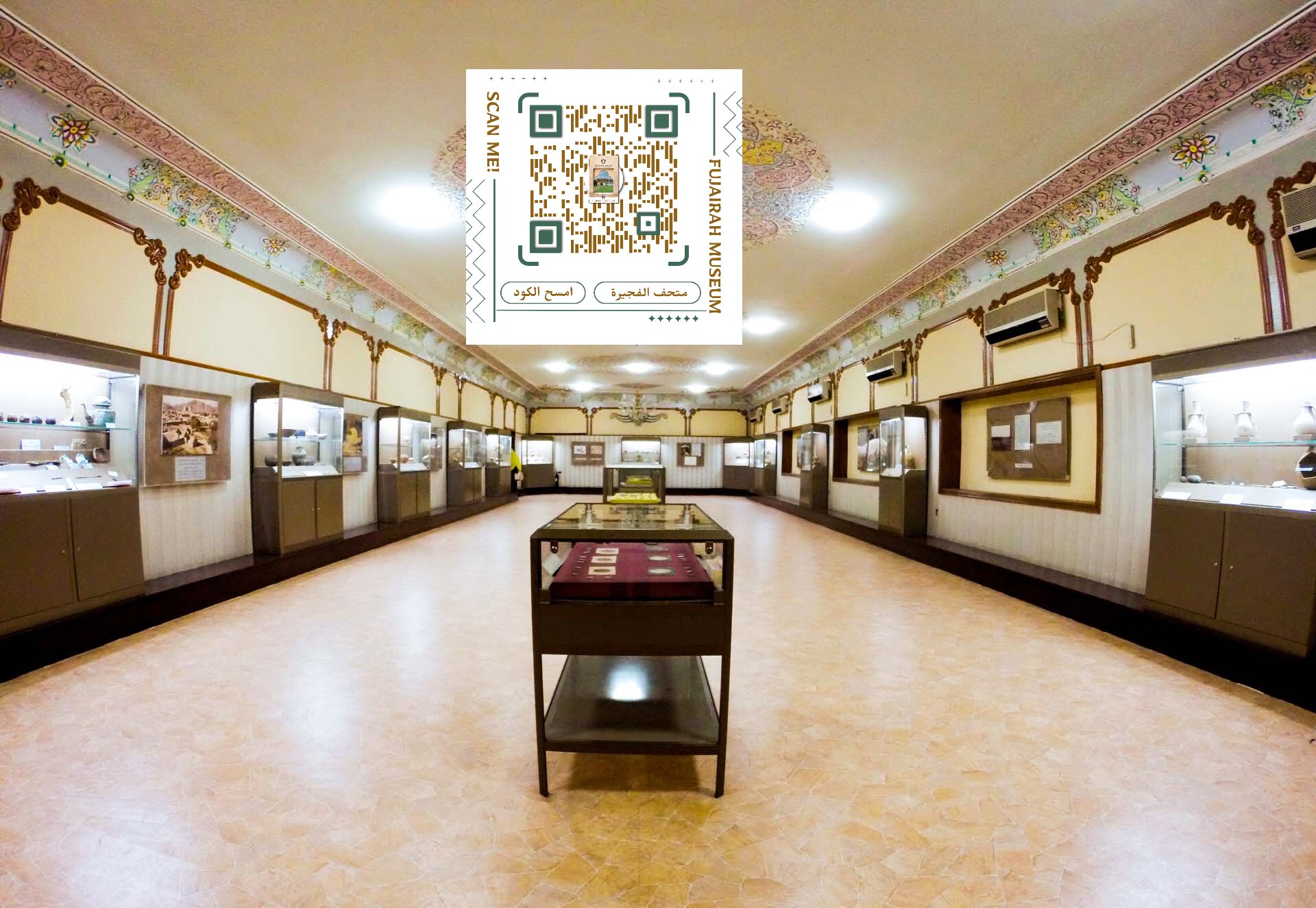
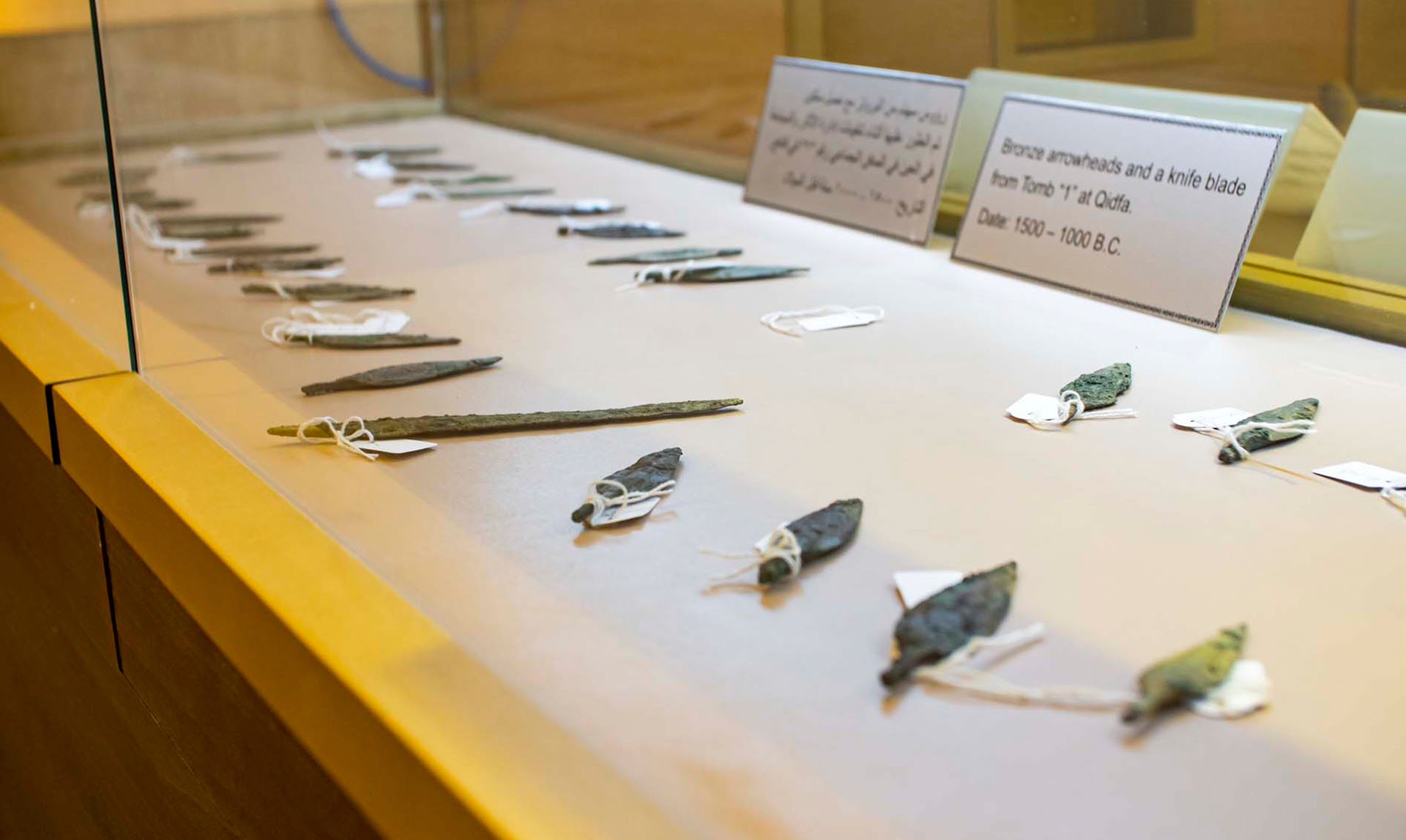
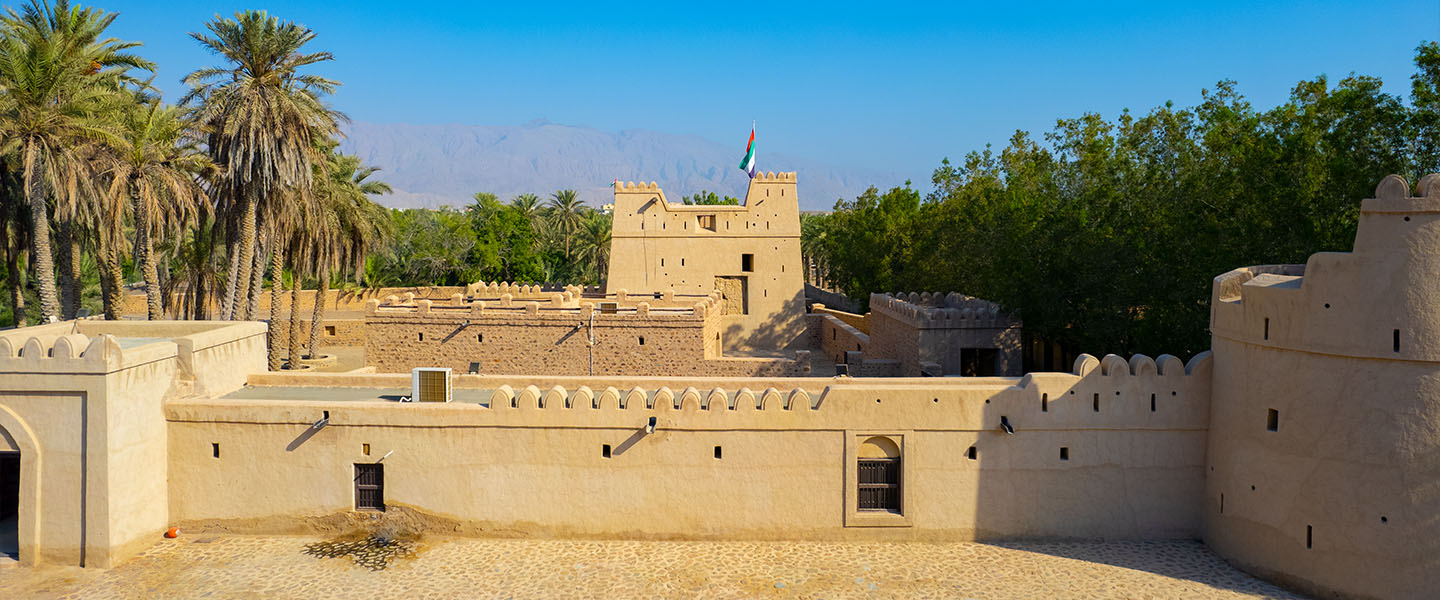
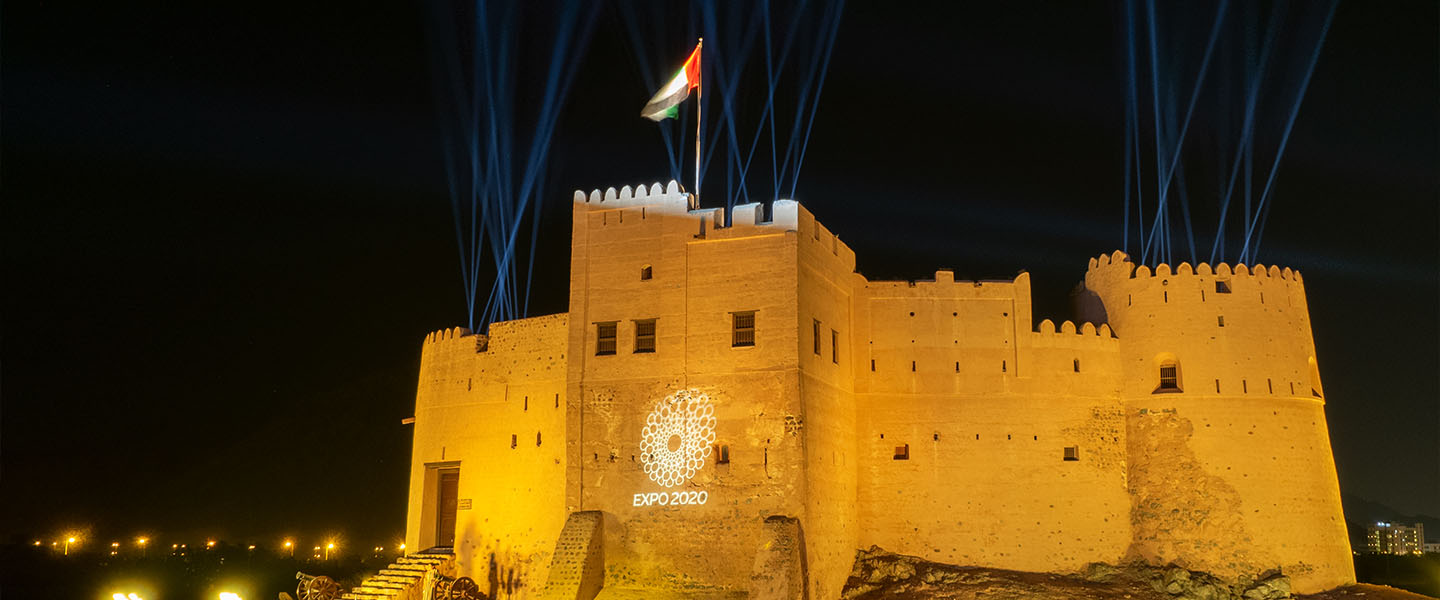
Located in the Emirate of Fujairah, the Fujairah Museum is regarded as one of the leading museums in the United Arab Emirates, reflecting the history and cultural heritage of past generations through archaeological discoveries uncovered by excavation missions and specialists over the years.
The museum’s origins date back to 1969, when a small museum was established within the Khalid bin Al Waleed Public Library. At that time, it displayed a selection of traditional weapons, pottery, coins, and agricultural tools.
As archaeological excavations and discoveries expanded throughout the emirate, a specialized department dedicated to heritage and antiquities preservation was established to safeguard and document the region’s historical legacy.
The museum was subsequently developed and equipped with dedicated archaeology and heritage halls, and was officially inaugurated on 30th November 1991 by Hamad bin Mohammed Al Sharqi.
Archaeology Halls
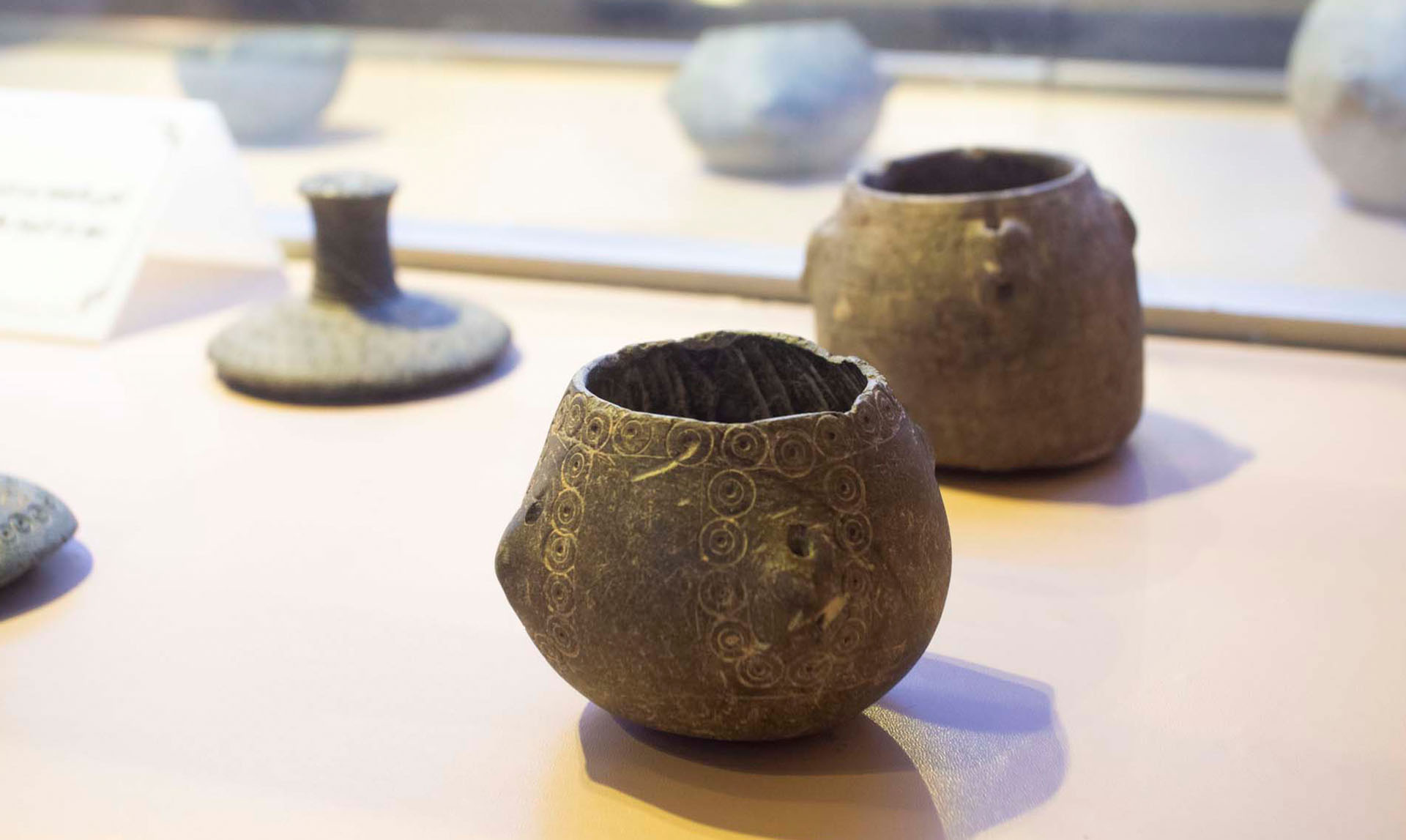
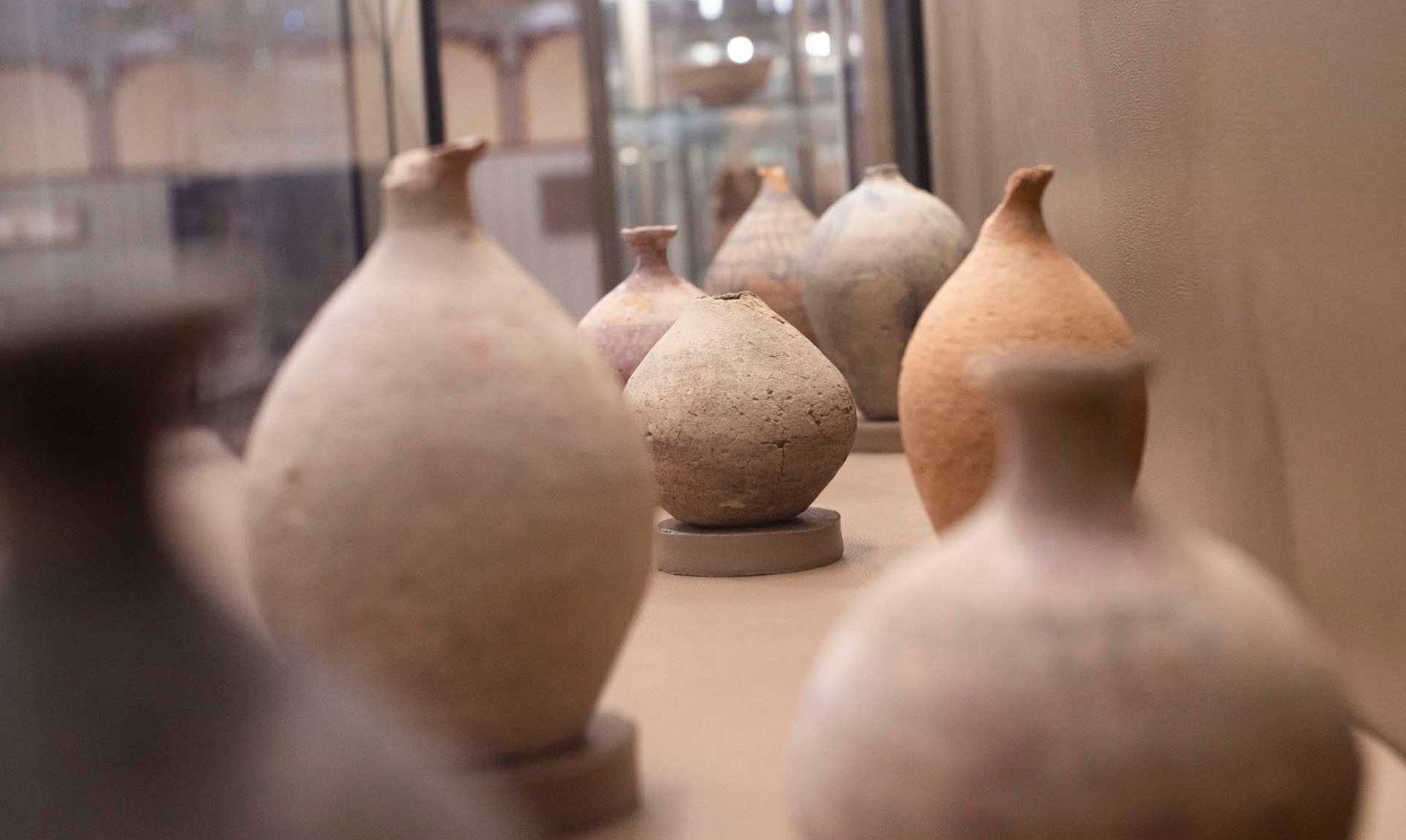
The archaeology halls feature a distinguished collection of artifacts discovered across various archaeological sites, including vessels crafted from soapstone (chlorite), copper artifacts, and a variety of cups and vessels of different forms and functions.
Heritage Halls
The heritage halls highlight the traditional occupations once practiced in the region, including agriculture, fishing, and trade, in addition to traditional crafts such as weaving and pottery making.
The halls also present traditional methods formerly used for irrigation, farming, and obtaining drinking water, including the Yazrah irrigation system.
In addition, the museum displays a collection of historical weapons used by earlier generations, traditional local costumes, and household utensils that formed part of everyday life in the past. The halls further include a model of a traditional house constructed from palm fronds.
Among the notable weapons exhibited are the Um Fiteelah, Al-Sam‘ah, and Al-Rumiyah, as well as a historic rifle known as “Al Khediwi,” manufactured in 1916.
 Fujairah Museum
  08:00 am to 06:00 pm
 -
-