AL Bithnah Fort
A rock, coral and mud brick fortification that played a significant role in the history of the Emirates.
A rock, coral and mud brick fortification that played a significant role in the history of the Emirates.
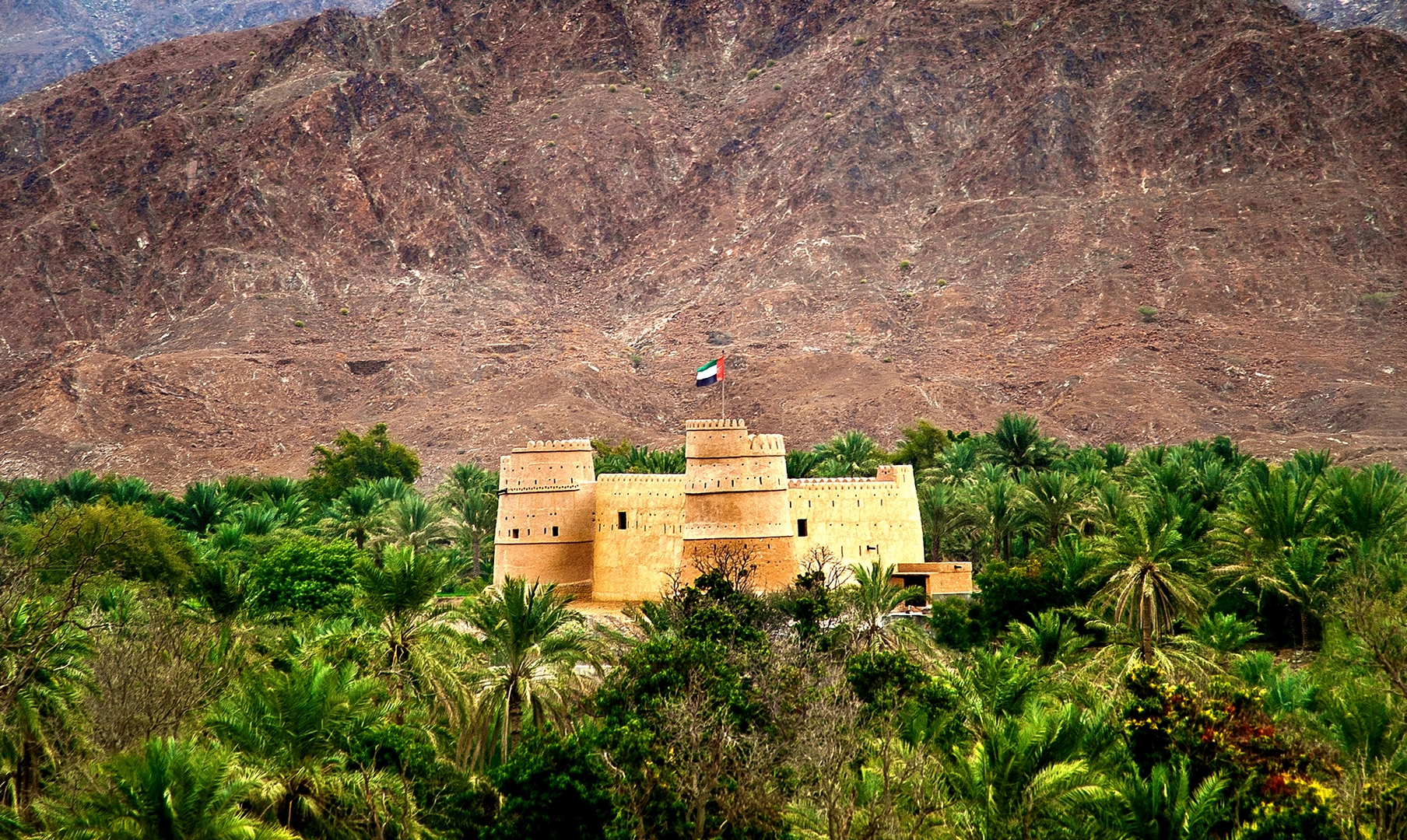
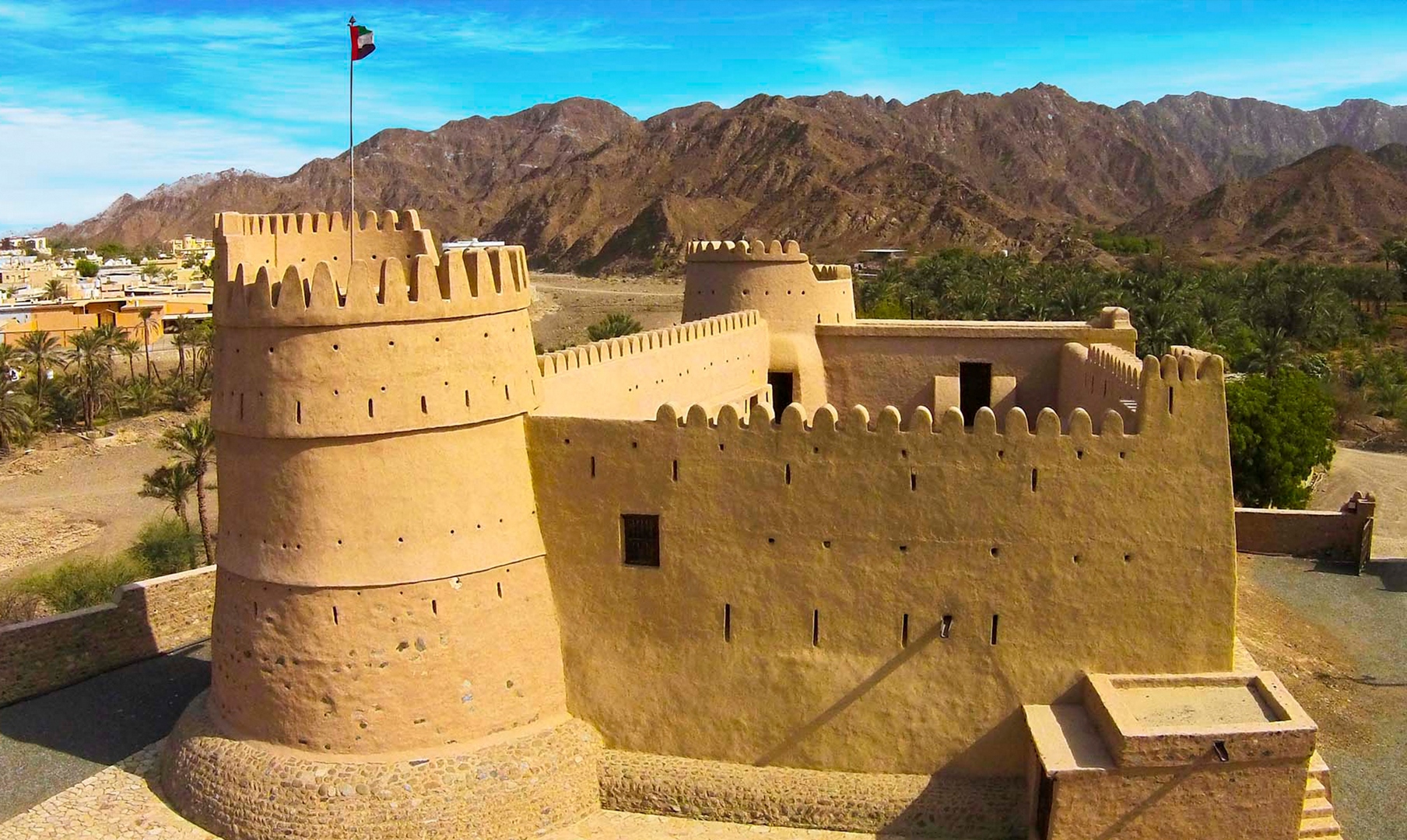
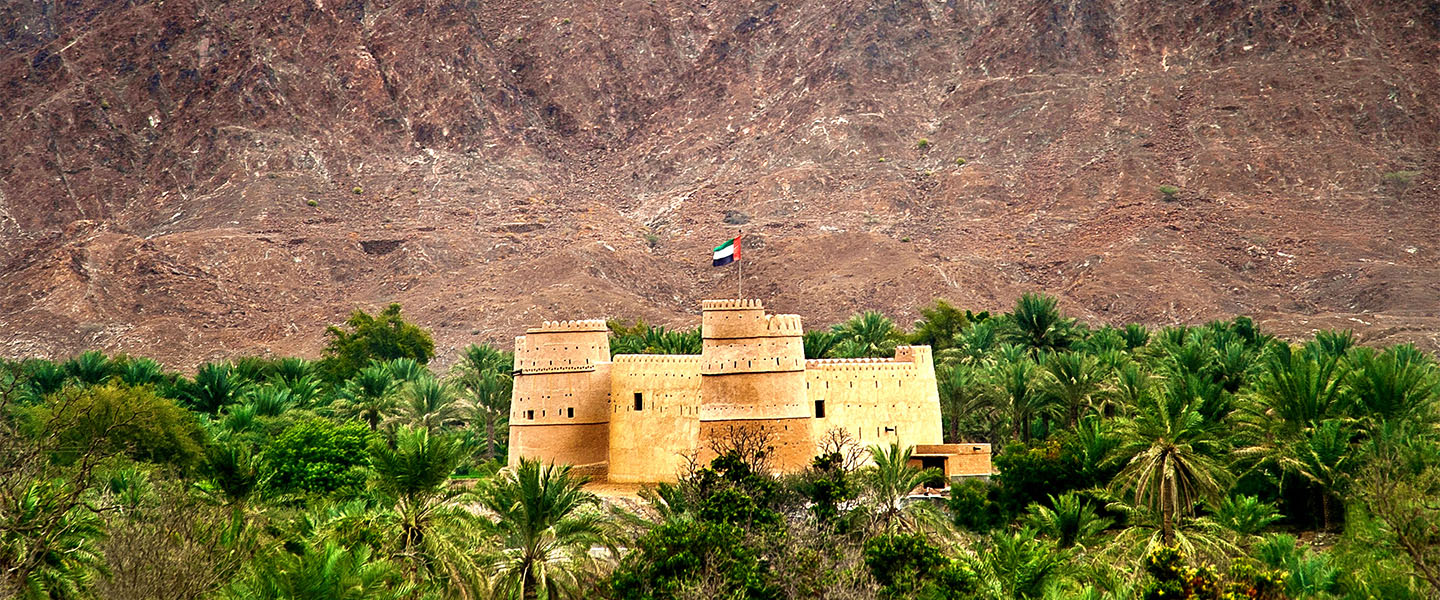
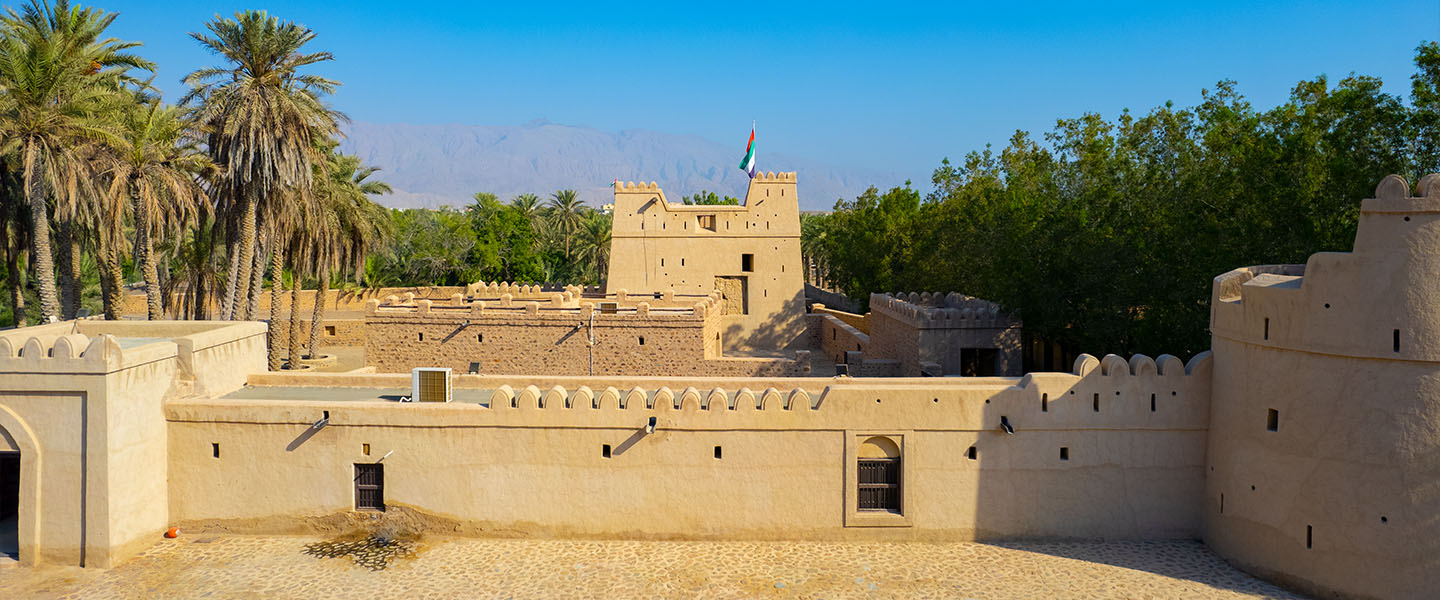
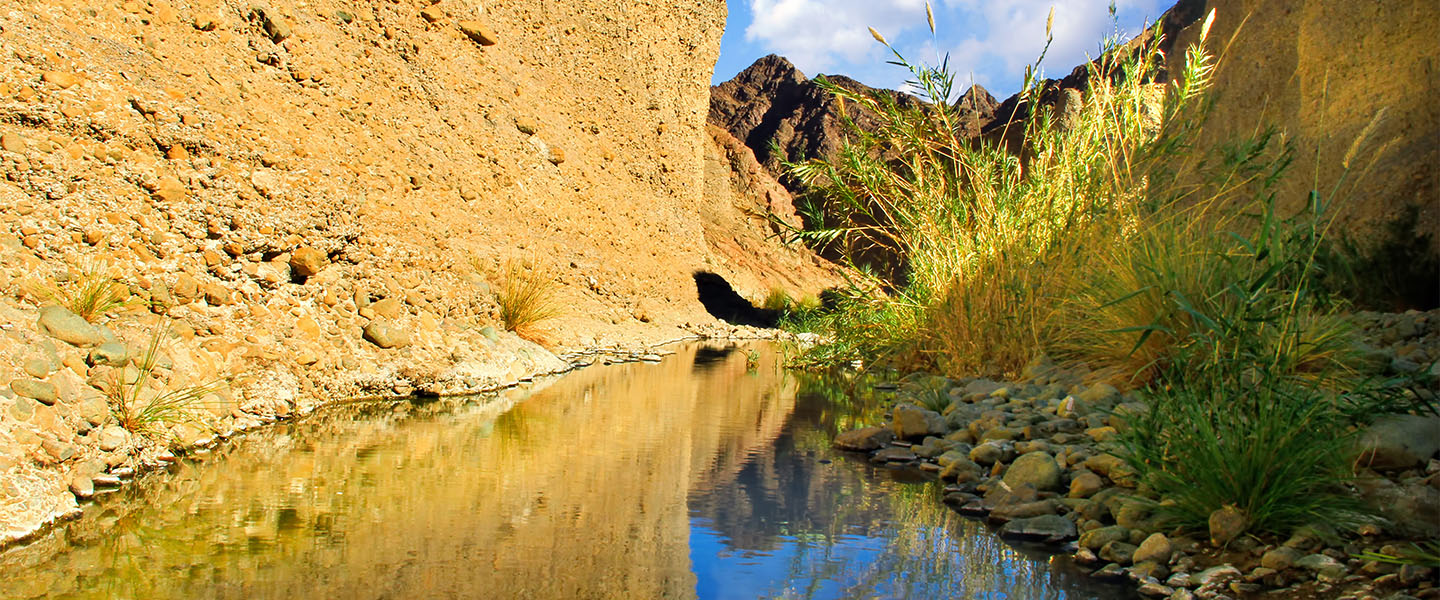
Al Bithnah Fort is located in the village of Al Bithnah, approximately 13 kilometers from the city of Fujairah. It is nestled between mountain ranges on both sides of Wadi Ham and overlooks lush green agricultural oases.
It is considered the second largest and one of the most famous forts in Fujairah due to its long history of wars and battles that took place in the region during the late 18th and early 19th centuries.
The fort was built by the Sharqiyin, the rulers of the emirate, during the 17th century AD. It served as a heavily fortified defensive stronghold and a strategic frontline defense. Historically, Al Bithnah was regarded as the capital of the Emirate of Fujairah and played a major role in repelling invasions and protecting Fujairah and its inhabitants from attackers.
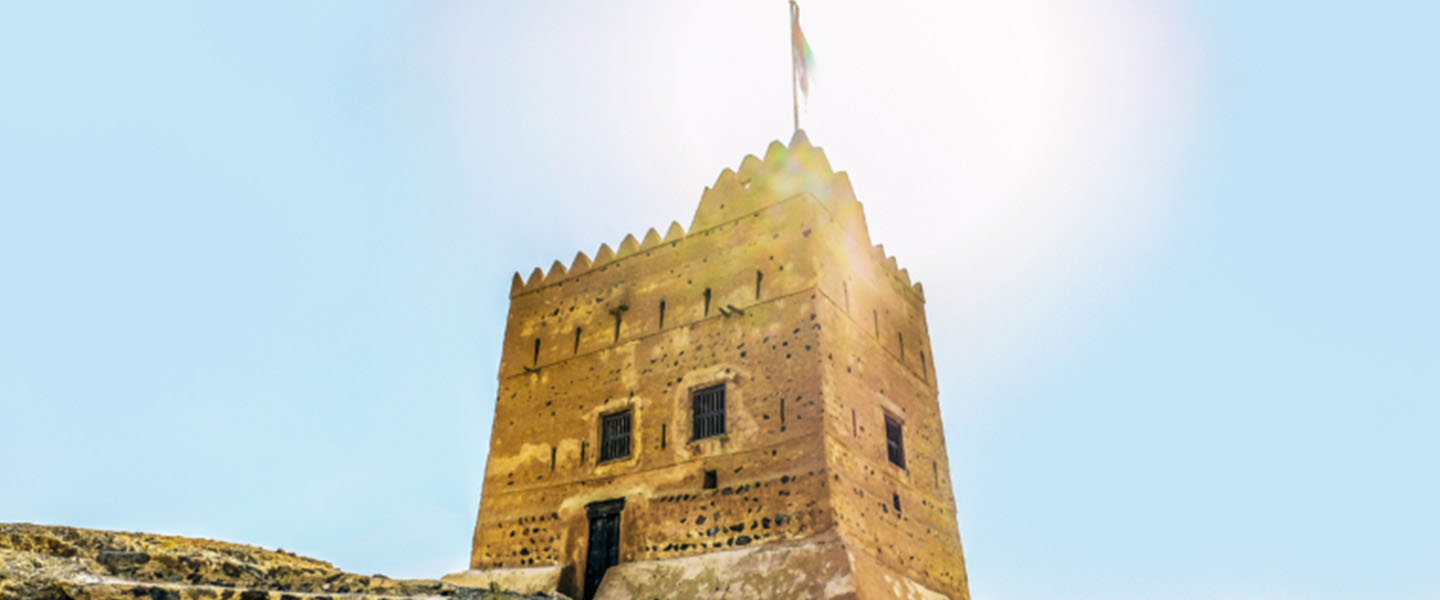
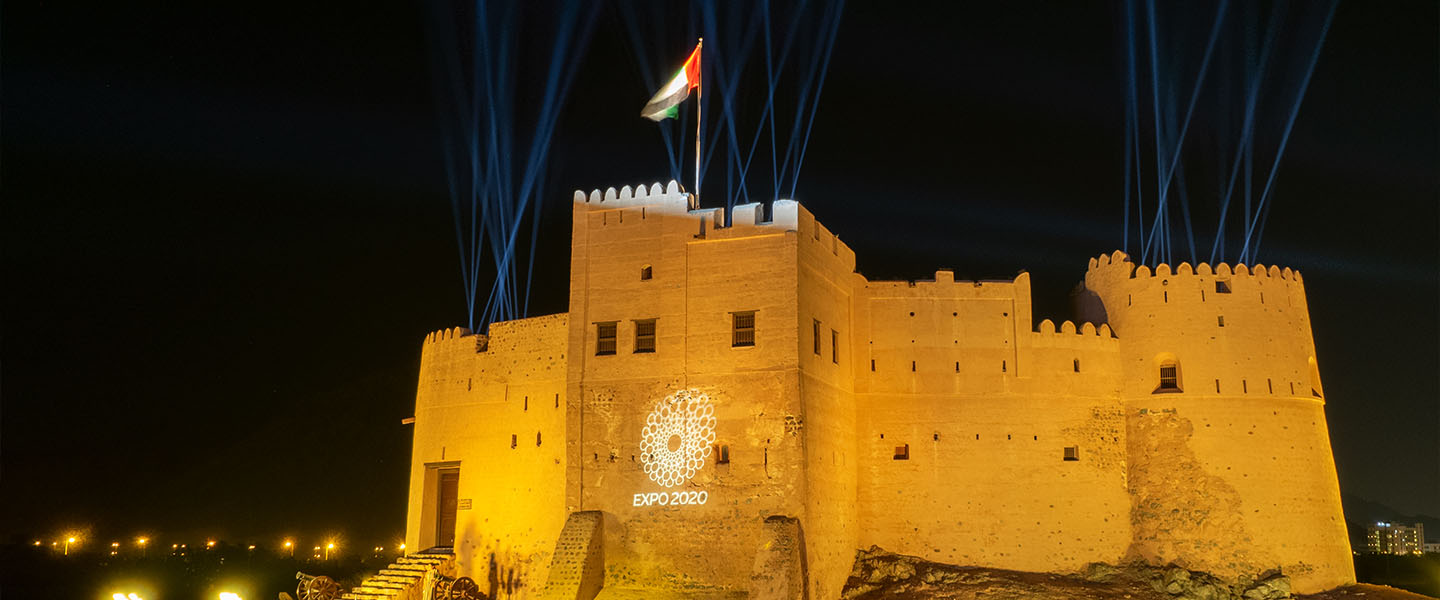

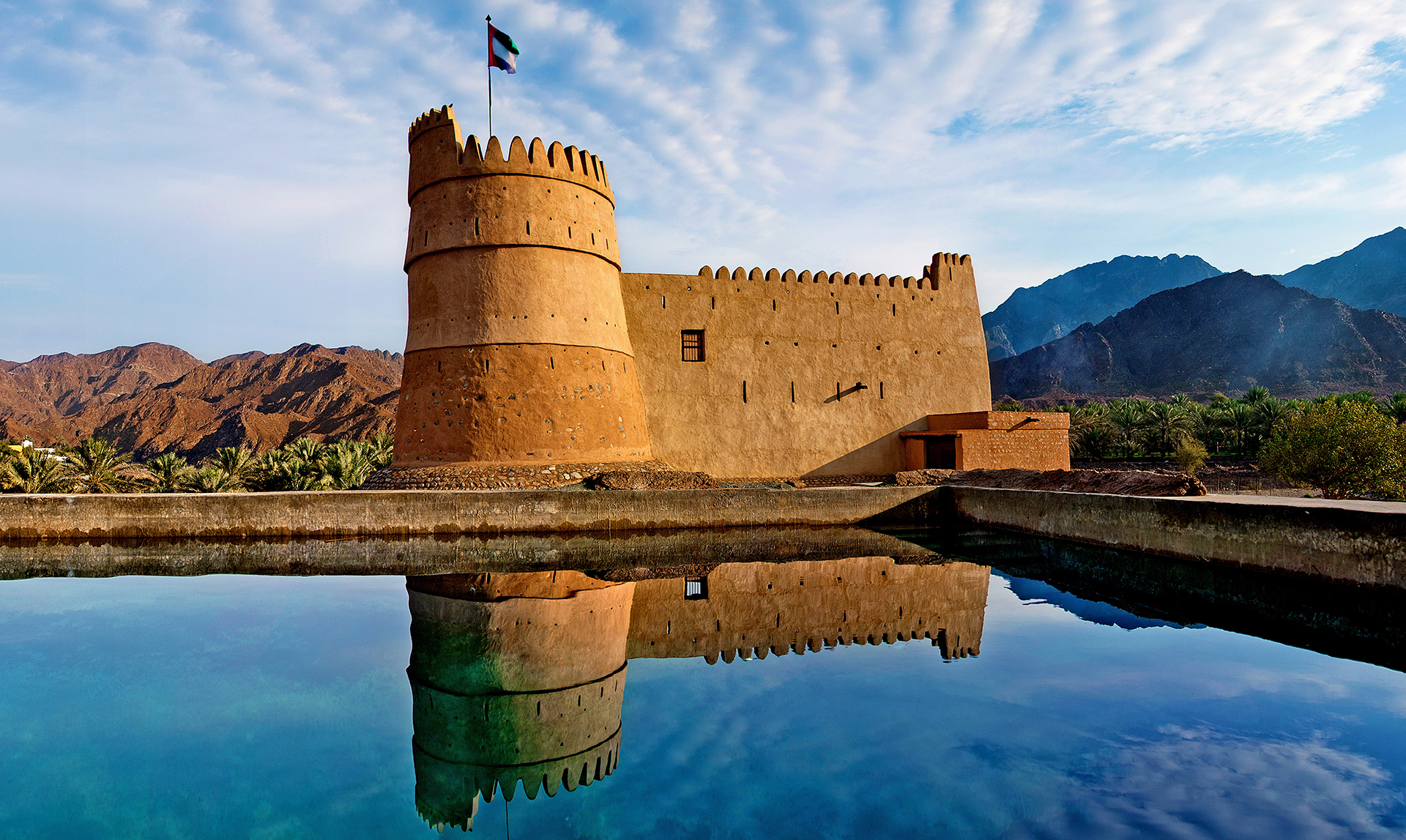
The fort consists of a main conical-shaped structure comprising three floors, in addition to a smaller tower located on the northern side. Entry is through a gate no more than one meter high, leading visitors into the fortress and then into a spacious hall known as the “Courtyard of the Fort” (Sahn Al-Qal‘a), which also serves as the base of the fortress.
At the upper section of the fort are eight circular openings covering all directions. These served as defensive positions for cannons and rifles, enabling guards to monitor the surrounding area from every direction. The fort’s considerable height, reaching approximately 20 meters above ground level, further enhanced its defensive capabilities.
According to local accounts, there was a water well inside the courtyard of the fort, accessible by stairs, in addition to storage areas used for preserving food supplies during times of need.
The fort collapsed during the early years of the reign of the late Sheikh Mohammed bin Ham Al Sharqi, who later rebuilt the fort, particularly its two main towers, using mud and gravel. The fort underwent further restoration in the early 1970s. Constructed from baked mud bricks, the fort remains standing and well-preserved to this day. Restoration work was completed in September 2012, including the construction of a surrounding wall.
 Al Bithna Fort
  08:00 am to 06:00 pm
 -
-